Electric Motorcycle: Intelligent Hybrid Revolution in Urban Transportation The intersection of two worlds
In the constantly evolving urban transportation landscape, a fascinating hybrid vehicle has emerged: electric assisted bicycles. This innovative vehicle category blurs the traditional boundaries between pedal powered bicycles and motorized mopeds, creating something entirely new and particularly relevant to today's cities. As global commuters seek alternatives to cars and traditional public transportation, these multifunctional machines provide convincing solutions, but they also raise important questions about regulations, practicality, and performance.
This comprehensive guide explores the phenomenon of electric assisted bicycles, addressing the most common issues for potential buyers and urban commuters in this new transportation category.
Understanding the Hybrid: What Exactly Is an Electric Moped Bicycle?
Before we dive into specific questions, let's clarify this emerging category. An electric moped bicycle typically combines:
Pedal-Assist Functionality: Like an e-bike, it provides electric assistance only when you pedal (in most legal configurations).
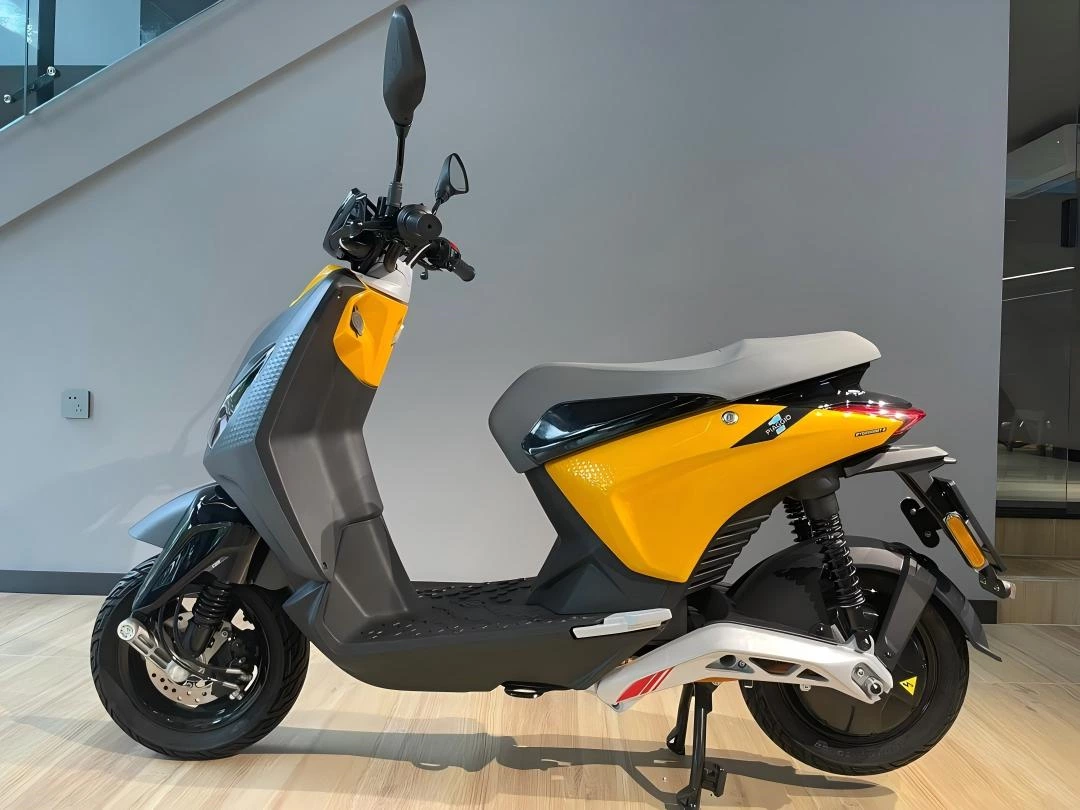
Moped-Style Design: Featuring step-through frames, larger wheels, comfortable seating, and often more substantial construction than traditional bicycles.
Enhanced Power: Generally more powerful than standard e-bikes, often in the 500W-1000W range.
Practical Features: Frequently includes cargo racks, integrated lighting, fenders, and sometimes even turn signals and mirrors.
This combination creates vehicles that feel more substantial and capable than typical e-bikes while remaining more accessible and requiring less licensing than traditional mopeds in many jurisdictions.
Global Regulations: The Japanese Example
Is Electric Bicycle Legal in Japan?
Japan's approach to electric bicycles offers an insightful case study in balanced regulation. The country has developed one of the world's most sophisticated and successful e-bike ecosystems, governed by clear, safety-focused rules.
Legal Framework: Japan recognizes electric bicycles as "Pedal-Assist Personal Vehicles" under the Road Traffic Act. The key requirements include:
-
Maximum assisted speed of 24 km/h (15 mph)
-
Motor must cease assistance above this speed
-
Motor power limited to 250W continuous output
-
Throttle-only operation is generally not permitted (pedaling must be detected)
-
Must be certified under the "BAA" (Bicycle Association Approved) mark
Unique Japanese Features: Many Japanese e-bikes incorporate sophisticated safety technologies, including:
-
Automatic lighting systems
-
Anti-lock braking systems on higher-end models
-
Comprehensive reflectors and visibility features
-
Speed governors that cannot be easily removed
Success Story: Japan's regulated approach has created a thriving e-bike market where these vehicles are widely accepted as legitimate transportation. They're used by everyone from students to seniors, with special models designed for grocery shopping, child transport, and business deliveries.
Moped-Specific Regulations: For vehicles classified as motorized bicycles (mopeds) in Japan, requirements are stricter:
-
Maximum 50cc engine equivalent (electric motors typically under 600W)
-
Maximum speed of 30 km/h (18.6 mph)
-
Requires license plate, insurance, and helmet
-
Rider must have at least a moped license
The Japanese model demonstrates how clear regulations can foster both innovation and safety in personal electric mobility.
The Great Debate: Electric Bike vs. Traditional Moped
What's Better, an Electric Bike or a Moped?
This fundamental question has no universal answer but depends entirely on individual needs, circumstances, and priorities. Let's break down the comparison across key dimensions:
Cost Considerations:
-
Electric Bicycle: Lower initial cost ($800-$3,000), minimal operating expenses (approximately $0.05 per charge), no fuel costs, reduced maintenance expenses.
-
Traditional Moped: Higher initial cost ($1,500-$4,000), ongoing fuel expenses, more complex mechanical maintenance, often higher insurance costs.
Regulatory and Convenience Factors:
-
Electric Bicycle: Generally requires no license, registration, or insurance (varies by location); can use bike lanes and paths; easier parking; often allowed on public transit.
-
Traditional Moped: Requires license, registration, and insurance in most jurisdictions; typically restricted from bicycle infrastructure; subject to road regulations.
Performance and Practicality:
-
Electric Bicycle: Speed limited (typically 20-28 mph assisted); range limited by battery (20-60 miles); better for multimodal commuting; silent operation.
-
Traditional Moped: Higher speeds (up to 40 mph for 50cc models); longer range with refueling; can handle steeper hills.
Health and environmental impacts:
Electric bicycles: provide some sports activities; Zero emissions; Very energy-efficient.
Traditional lightweight motorcycles: do not require physical exertion; Lower energy efficiency.
Hybrid advantages: Electric assisted bicycles typically occupy a middle position - providing more power and comfort than standard electric bicycles, while avoiding many regulatory barriers of traditional assisted bicycles.
Identifying Excellence: What Makes the Best Electric Moped?
Which Is the Best Electric Moped?
The "best" electric moped depends on your specific needs, but several models consistently receive high marks across categories. Here's what distinguishes top-tier electric mopeds:
Key Quality Indicators:
-
Battery Performance: Look for reputable battery cells (Samsung, LG, Panasonic) with at least 500Wh capacity for realistic 30-50 mile range
-
Motor Quality: Mid-drive motors generally offer better efficiency and hill-climbing than hub motors
-
Build Quality: Aluminum or steel frames with good weight distribution and weather resistance
-
Braking Systems: Hydraulic disc brakes provide superior stopping power, especially important at higher speeds
-
Component Quality: Brand-name gears, chains, and suspension components indicate better durability
Practical Assessment: Are Moped Style E-Bikes Good?
Moped-style e-bikes offer distinct advantages that make them "good" for specific use cases, though they're not universally ideal.
Strengths That Make Them Excellent Choices:
Comfort and accessibility: The through design allows easy installation and removal for all ages and riders. The upright riding posture provides better visibility in traffic and makes it easier to ride for long periods of time.
Practical design: Most of them include integrated cargo solutions - rear racks, front baskets, or both - making them perfect for commuting or carrying tools.
All weather capability: full fenders can prevent road spray, and integrated lighting (usually with brake light function) can improve safety. Many clothing items come with chain covers to protect them.
Perceived safety: Compared to traditional bicycle designs, a sturdy appearance can make riders feel safer in traffic. Some studies suggest that drivers provide more space for riders riding bicycles that appear more sturdy.
Durability: Typically using more robust frames and components designed for everyday use rather than lightweight performance.
Precautions and limitations:
Weight: Typically heavier than traditional electric bicycles (60-80 pounds vs. 40-60 pounds), which makes it more difficult to carry upstairs or load onto car racks.
Efficiency: The upright riding position will generate more wind resistance, slightly reducing efficiency and range.
Performance oriented: not designed for high-speed performance or aggressive riding; Optimized for comfortable and practical transportation.
Storage space: Its enormous size makes storage space challenging in small apartments.
Opinion: Some bicycle purists believe that they are not as "legal" as traditional bicycle designs, although this view is rapidly changing.
Ideal users: Electric bicycles in the style of light motorcycles are suitable for daily commuters, city runners, elderly riders, and people with mobility considerations.
The Future of Electric Moped Bicycles
Several trends are shaping the next generation of these hybrid vehicles:
Battery Technology: Solid-state batteries promise greater range, faster charging, and improved safety.
Smart Integration: GPS tracking, anti-theft systems, and smartphone integration are becoming standard on premium models.
Regulatory Evolution: Many cities and countries are updating regulations to better accommodate these vehicles, creating new classifications between bicycles and motorcycles.
Subscription Models: Some companies now offer all-inclusive monthly subscriptions covering the vehicle, maintenance, insurance, and theft protection.
Light Electric Vehicle (LEV) Infrastructure: Cities are developing dedicated charging stations, parking, and lanes for these vehicles.
Making Your Decision: Key Questions to Ask
Before purchasing an electric moped bicycle, consider:
-
What's my primary use case? (Commuting, recreation, cargo, etc.)
-
What's my maximum daily distance? (Remember to account for hills and potential range reduction in cold weather)
-
What are my local regulations? (Speed limits, licensing requirements, where I can ride)
-
Where will I store and charge it?
-
What's my budget including accessories? (Helmet, lock, bags, maintenance)
-
What's the service network like? (Availability of repairs and parts)
Conclusion: The Right Tool for Modern Urban Life
Electric moped bicycles represent more than just a transportation trend—they embody a pragmatic approach to urban mobility that acknowledges diverse needs and constraints. For many urban dwellers, they offer the perfect compromise: enough power and practicality for daily tasks, sufficient regulation to remain accessible, and enough physical engagement to provide health benefits and connection to the urban environment.
Whether navigating Tokyo's orderly streets, San Francisco's hills, or Amsterdam's bike paths, these vehicles demonstrate that sometimes the best solution isn't choosing between categories but finding the intelligent hybrid that captures the best of both worlds.
As cities continue to evolve and personal transportation needs change, the electric moped bicycle stands ready to meet today's challenges while adapting to tomorrow's innovations. In the quest for sustainable, efficient, and enjoyable urban mobility, this versatile category deserves serious consideration from anyone tired of traffic, parking hassles, and transportation limitations. The future of urban transportation might not be in choosing between a bicycle and a moped, but in embracing the smart hybrid that gives you the best of both.