The Electric Motorcycle : Beyond the Spec Sheet, a Cultural Conversatio
The global electric motorcycle revolution is no longer a whisper; it's a roaring, torque-filled debate echoing from California canyons to European cafe streets. Yet, to view it solely through the lens of kilowatts and kilowatt-hours is to miss the story. Overseas, the discussion has evolved into a complex, passionate, and sometimes contentious cultural dialogue. The most-asked questions reveal not just technical curiosity, but a deep-seated reevaluation of what motorcycling means in the 21st century.
The Obsession with Real-World Range: A Quest for Authentic Freedom
Ask any prospective international buyer their top concern, and the answer is unequivocal: "What's the real range?" Manufacturer claims, often based on optimistic testing cycles, are met with profound skepticism. Online forums like Reddit's r/Electricmotorcycles are filled with user-conducted "range anxiety" stress tests—documenting how sustained 75 mph highway speeds can slash a promised 150-mile range by half, or how a crisp 40°F (4°C) morning silently steals 30% of a battery's capacity.
This obsession stems from a fundamental desire for authentic freedom, the core promise of motorcycling. Riders aren't just comparing numbers; they're calculating whether an electric bike can reliably take them on a spontaneous backroad loop, a weekend getaway, or a coastal tour without becoming an exercise in charging-station logistics. The infrastructure question is inseparable from this: the availability, compatibility (CCS vs. CHAdeMO), and speed of public fast-chargers are constant topics. The dream isn't just a big battery; it's a seamless, spontaneous journey.
Performance Reimagined: Instant Torque vs. The Soul of Sound
The performance conversation is a tale of two experiences. On one hand, the unanimous praise for electric powertrains' instantaneous, silent torque—a sensation often described as being "catapulted" from a standstill. This has redefined urban acceleration and canyon carving, creating a new performance benchmark.
On the other hand lies the most emotionally charged debate: the "soul" of the motorcycle. For a significant cohort of traditional riders, the visceral symphony of a combustion engine—the rumble, the gear shifts, the mechanical feedback—is irreplaceable. To them, a silent motor feels antiseptic, lacking character. Electric advocates counter that the new "soul" lies in the connected, futuristic hum, the direct connection to the machine's software, and the ability to hear the world around you. YouTube comparisons between, say, a Harley-Davidson LiveWire and a traditional Sportster are less about 0-60 times and more about philosophical clashes over sensory experience.
The Total Cost Paradox: High Sticker Price vs. Long-Term Gospel
The price tag of premium electric motorcycles (often $20,000+) remains a significant barrier. Yet, the discussion quickly pivots to Total Cost of Ownership (TCO). Enthusiasts create detailed spreadsheets comparing electricity costs (a few dollars per "tank") to gasoline, and more importantly, the dramatic reduction in maintenance: no oil changes, valve adjustments, or complex transmission servicing. This TCO argument is the gospel preached by early adopters to the skeptical. Government incentives, like the US federal tax credit, are dissected in detail, becoming a key part of the purchasing calculus.
The Ecosystem & The "Right to Repair"
International buyers are deeply interested in the surrounding ecosystem. A bike is no longer just hardware; it's a connected device. The quality of companion smartphone apps for diagnostics, ride tracking, and battery pre-conditioning is a serious selling point. Over-the-air (OTA) software updates, which can unlock new features or improve performance overnight, are hailed as a game-changer.
Simultaneously, a counter-cultural discussion around "Right to Repair" is brewing. Concerns about proprietary software locks, battery module exclusivity, and the inability for independent shops to service high-voltage systems lead to fears of manufacturer overreach. This contrasts sharply with the DIY ethos prevalent in segments of the traditional motorcycle community.
Regional Divergence: A Tale of Different Roads
The conversation fragments along geographical lines:
-
North America: The discussion leans towards capability and adventure. Range needs are greater, and there's keen interest in electric adventure bikes (like the Zero DSR/X) that can handle fire roads and remote trails. Charging infrastructure along scenic routes is a hot topic.
-
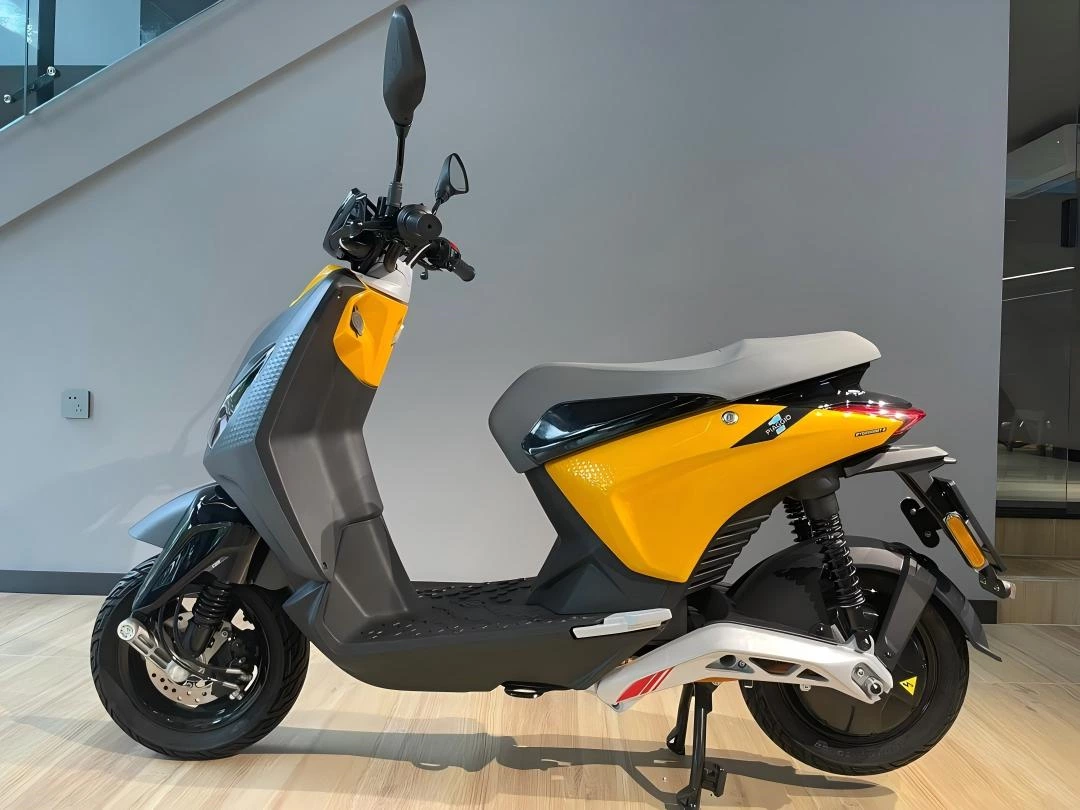
Europe: Here, the focus is on urban efficiency and sophisticated design. Compact, stylish electric scooters and maxi-scooters (like the BMW CE 04) dominate discourse. Integration with public transport, lane-filtering legality, and sleek, minimalist aesthetics are prioritized.
-
Southeast Asia: The conversation is pragmatic, centered on affordable mobility and swappable battery networks. The success of models like Gogoro is closely watched, with debates on the scalability of swap-station networks versus home charging.
The Emerging Frontiers of Debate
Looking forward, new topics are gaining traction:
-
The Sustainability Audit: Riders are increasingly asking: "How green is it really?" Discussions now include the carbon footprint of battery manufacturing and the energy mix of the local grid, pushing brands towards greater supply-chain transparency.
-
The Sound of Safety: With regulations mandating Acoustic Vehicle Alerting Systems (AVAS), a strangely fascinating debate has emerged: What should an electric motorcycle sound like? Should it mimic a spaceship, a turbine, or a synthetic version of an ICE? It's a question blending safety, branding, and pure subjectivity.
-
The Second-Life Challenge: The nascent used market is a major unknown. With no established model for valuing a battery with 80% of its original capacity, questions about long-term depreciation and battery health certifications are becoming critical.
Conclusion: A Dialogue Defining the Future of Riding
Ultimately, the international discourse on electric motorcycles transcends transportation. It is a cultural negotiation between heritage and innovation, between individual freedom and technological dependency, between emotion and efficiency.
For manufacturers, success abroad requires more than a compelling product sheet. It demands engagement in this honest, granular conversation—providing transparent real-world data, facilitating extensive test rides to overcome sensory biases, and building an open, reliable ecosystem. The electric motorcycle, on the global stage, is proving to be more than a vehicle; it is a catalyst for a profound and ongoing conversation about the very nature of the ride.