How Do Electric Motorcycles Work? Battery, Motor, Controller & Complete Guide
Electric motorcycles are rapidly transforming the future of transportation. As battery technology improves and charging infrastructure expands, more riders are choosing electric motorcycles for commuting, recreation, and commercial use.
But how do electric motorcycles work? What powers them? How does the battery interact with the motor, and why do electric motorcycles accelerate so quickly?
In this complete guide, we'll explain the working principles of electric motorcycles, their key components, advantages, limitations, and how they compare with traditional gasoline-powered motorcycles.
What Is an Electric Motorcycle?
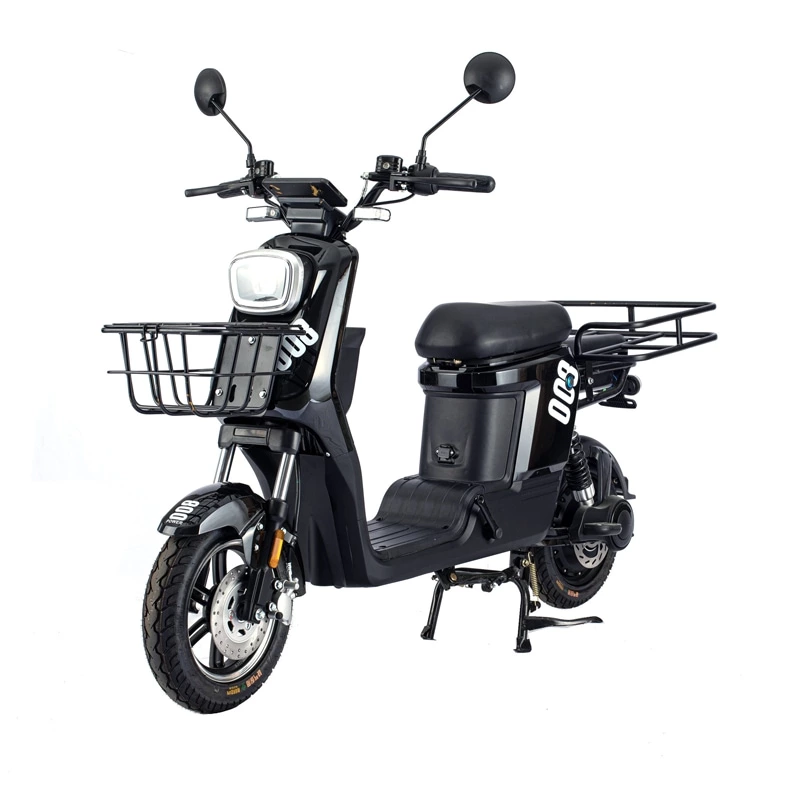
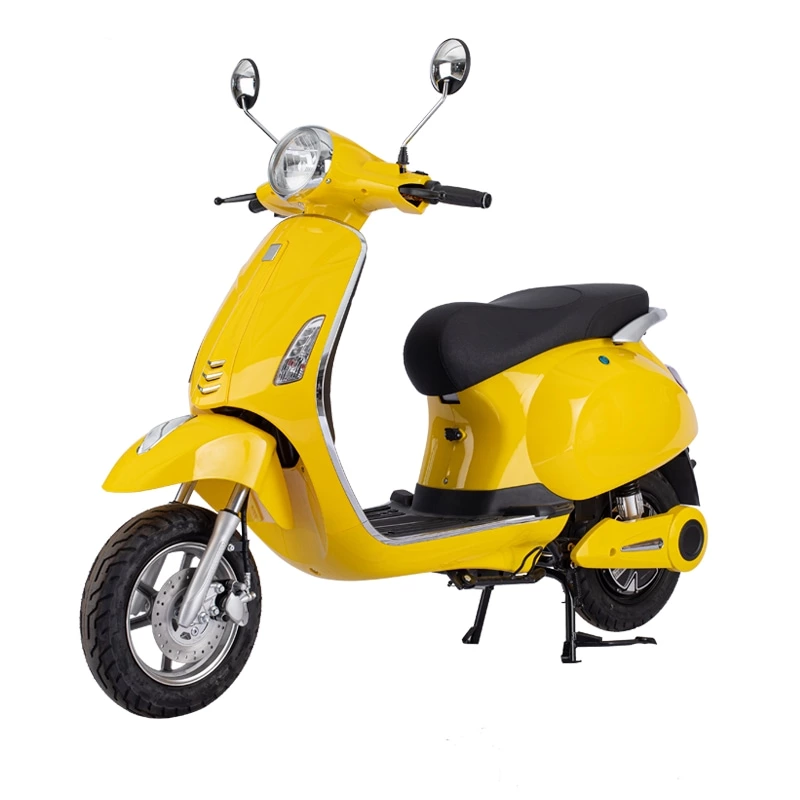
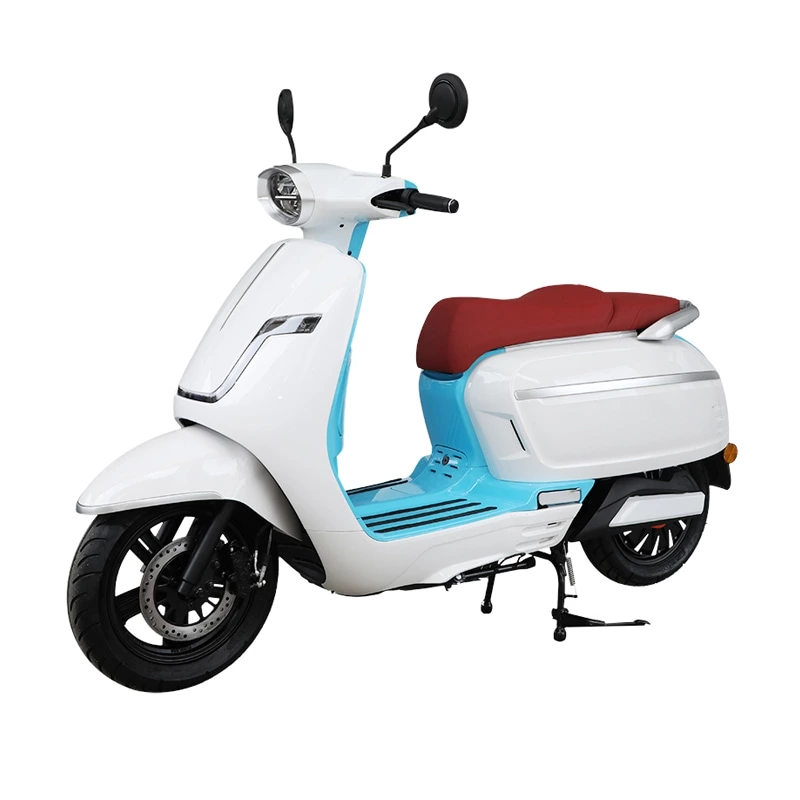
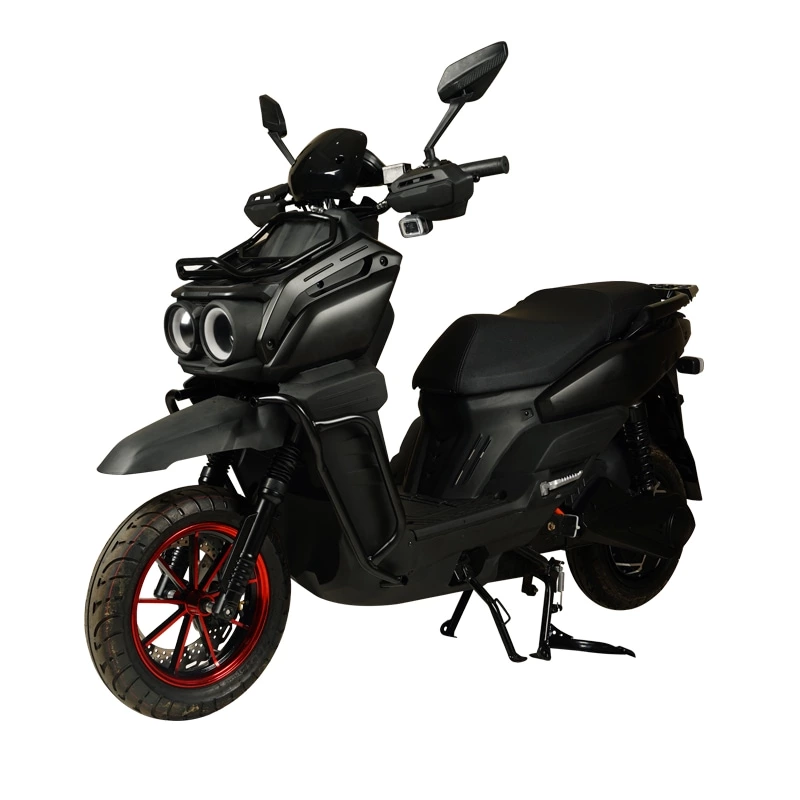
An electric motorcycle is a two-wheeled vehicle powered by electricity rather than gasoline.
Instead of using an internal combustion engine, an electric motorcycle stores energy in a rechargeable battery pack and uses an electric motor to convert that energy into motion.
Because there is no fuel combustion, electric motorcycles offer several benefits:
- Zero tailpipe emissions
- Lower operating costs
- Reduced maintenance requirements
- Quieter operation
- Instant torque delivery
These advantages have made electric motorcycles increasingly popular in cities and urban transportation networks worldwide.
How Do Electric Motorcycles Work?
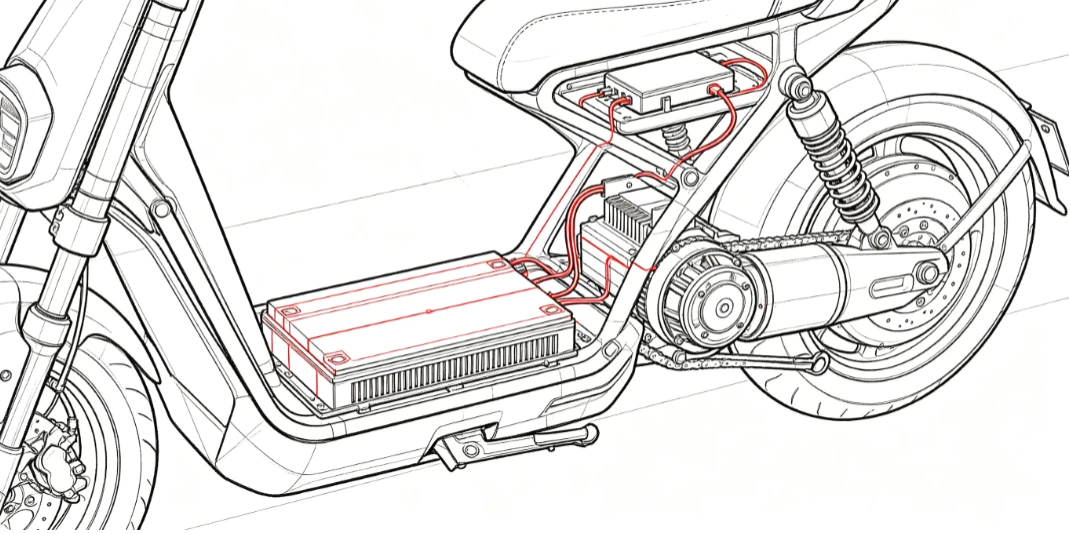
The basic operating process of an electric motorcycle is surprisingly simple.
Step 1: The Battery Stores Energy
The battery pack acts as the motorcycle's energy source.
After charging, electrical energy is stored inside lithium-ion battery cells. This stored energy is later used to power the motorcycle.
Step 2: The Rider Twists the Throttle
When the rider twists the throttle, electronic sensors detect the input and send a signal to the motor controller.
Unlike a gasoline motorcycle, there is no mechanical connection between the throttle and an engine.
Step 3: The Controller Regulates Power
The motor controller acts as the motorcycle's brain.
Based on throttle position and riding conditions, the controller determines how much electrical power should be sent from the battery to the motor.
Step 4: The Electric Motor Produces Torque
The motor receives electrical energy and converts it into rotational force.
Through electromagnetic interaction, the motor generates torque that drives the motorcycle forward.
One major advantage of electric motors is their ability to deliver maximum torque almost instantly, resulting in rapid acceleration from a standstill.
Step 5: Power Reaches the Wheel
The motor transfers power to the rear wheel through either:
- Direct drive systems
- Belt drive systems
- Chain drive systems
- Gear reduction systems
The wheel rotates, and the motorcycle moves forward.
This entire process occurs almost instantly and continuously while riding.
Main Components of an Electric Motorcycle
Battery Pack
The battery pack serves as the motorcycle's fuel tank.
Most modern electric motorcycles use lithium-ion batteries because they offer:
- High energy density
- Long service life
- Fast charging capability
- Lightweight construction
Battery capacity is usually measured in kilowatt-hours (kWh).
Generally, larger battery packs provide greater riding range.
Electric Motor
The motor converts electrical energy into mechanical motion.
Hub Motor
Hub motors are mounted directly inside the wheel.
Advantages:
- Simpler design
- Lower manufacturing costs
- Fewer moving parts
Disadvantages:
- Increased unsprung weight
- Less ideal handling characteristics
Mid-Drive Motor
Mid-drive motors are mounted near the center of the motorcycle.
Advantages:
- Better weight distribution
- Improved performance
- Enhanced handling
- Greater efficiency at higher speeds
Many premium electric motorcycles use mid-drive motor systems.
Frequently Asked Questions
How Far Can an Electric Motorcycle Travel on One Charge?
Most electric motorcycles offer between 50 and 200 miles (80–320 km) of range, depending on battery size, speed, terrain, and riding style.
How Long Does It Take to Charge an Electric Motorcycle?
Charging times typically range from 2 to 8 hours, depending on battery capacity and charger type.
Do Electric Motorcycles Have Gears?
Many electric motorcycles use a single-speed transmission because electric motors provide power across a wide speed range.
How Long Do Electric Motorcycle Batteries Last?
Most lithium-ion batteries last between 8 and 15 years with proper care and charging practices.
Can Electric Motorcycles Be Charged at Home?
Yes. Most electric motorcycles can be charged using standard residential electrical outlets.
Are Electric Motorcycles Reliable?
Because they contain fewer moving parts than gasoline motorcycles, electric motorcycles are generally highly reliable and require less maintenance.
Conclusion
Electric motorcycles work by storing electrical energy in a battery pack, regulating that energy through a controller, and converting it into motion using an electric motor.
As battery technology, charging networks, and vehicle performance continue to improve, electric motorcycles are expected to play an increasingly important role in the future of personal mobility.