Moped-Style Electric Bikes: Your Complete Guide to the Ultimate Urban Commuter
In the ever-evolving world of urban mobility, a new champion has emerged from the intersection of classic style and cutting-edge technology: the moped-style electric bicycle. These eye-catching machines are more than just a trend; they represent a fundamental shift in how we think about personal transportation for the city. But what exactly are they, how do they work, and are they the right choice for you—especially under strict regulatory frameworks like Germany's?
This comprehensive guide will answer all your key questions, from design philosophy to legal logistics.
Part 1: What is a Moped style electric bicycle?
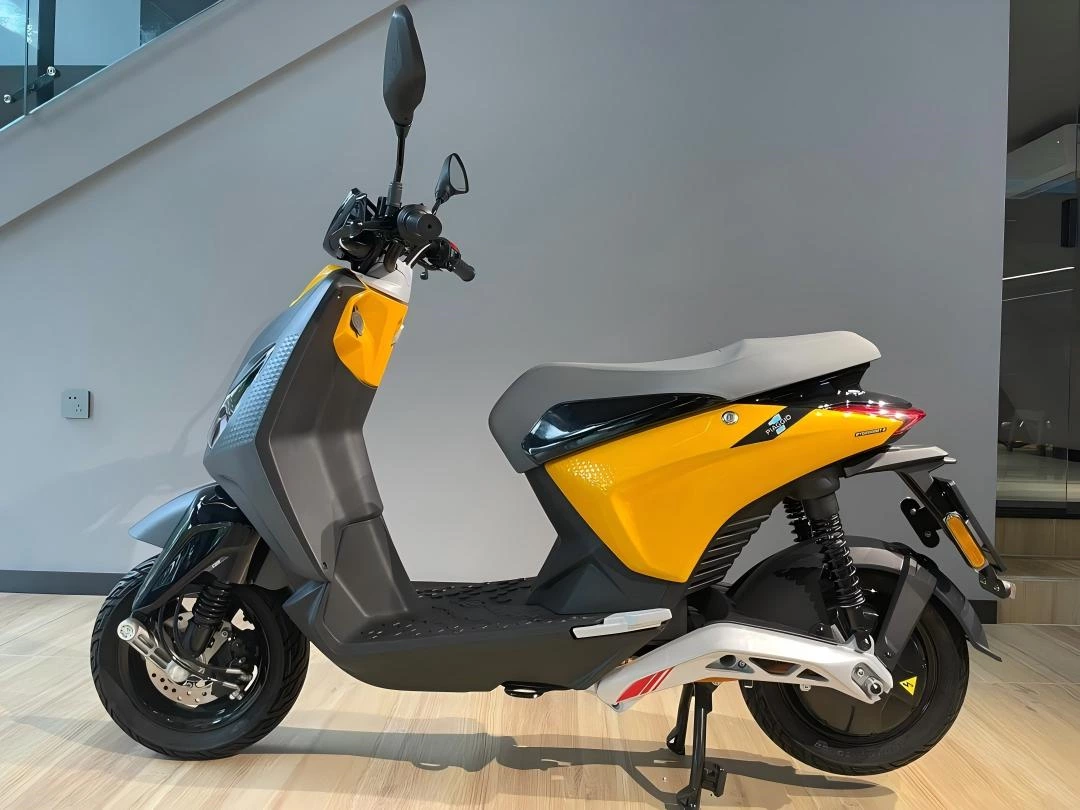
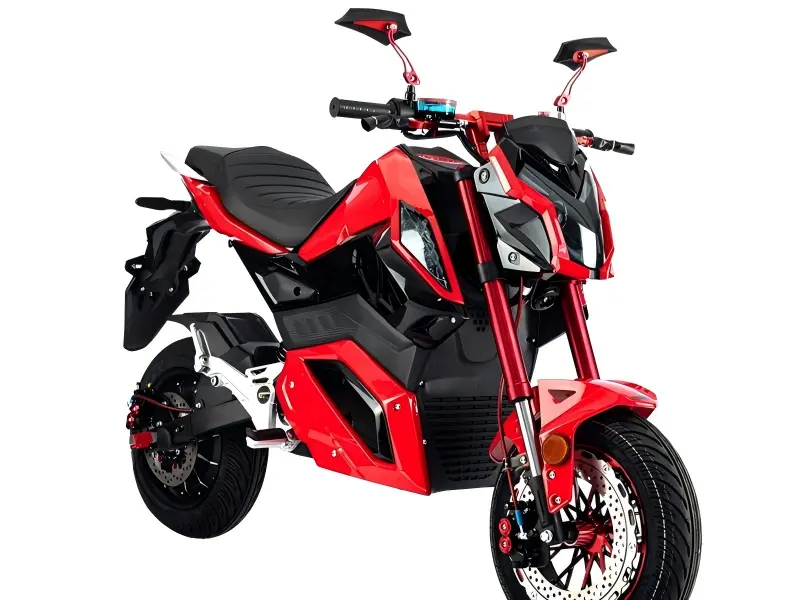
Essentially, a light motorcycle style electric bicycle is an electric bicycle that borrows the iconic aesthetics and practical ergonomics of classic light motorcycles or scooters. It is a fusion of form and function, providing a win-win effect.
Key design features:
Frame and posture: It is easy to install and disassemble, combining an upright and relaxed riding posture. Compared to the posture of road bikes, this provides excellent comfort and visibility.
Aesthetics: Retro Cool. Design elements include a fake "fuel tank" (usually equipped with a battery), a long cushioned bench, chrome accents, and a circular body reminiscent of vintage Vespas or Honda Super Cubs.
Comprehensive practicality: designed for daily life. They are typically equipped with integrated front and rear LED lighting systems (headlights, brake lights, turn signals), rear frame, cargo basket, and full fenders to prevent road water spray.
Riding mechanics: They typically use wide, usually "fat" tires (3-4 inches) to ensure stability and comfort, and use suspension forks to smooth out city potholes.
It is crucial that they are legal electric bicycles. This means they have fully functional pedals, and their electric motors are controlled by power and speed limitations, which takes us to the next critical point.
Part 2: Is a lightweight electric bicycle good? (Pros and Cons)
The answer is' Yes, suitable for the right users. 'Their value proposition is very strong for urban residents, but not without trade-offs.
Advantages:
Unparalleled urban utilities: They are the ultimate runners and the best transportation for short distance commuters. Comfortable upright posture, built-in storage space, you won't get tired when you reach your destination.
Legal and regulatory simplicity (when compliant): When built to meet electric bicycle regulations such as the EU's EN 15194 standard, they provide a 'loophole'. In many jurisdictions, you don't need a license, registration, or mandatory insurance to get the look and feel of a light motorcycle. This is a huge advantage.
Interesting factors and style: They will make you turn your head and smile. Retro aesthetics utilize the nostalgia and coolness that traditional electric bicycles often lack. Brands such as Super73 and Juiced Bikes cultivate passionate communities around customization and culture.
Dual Power Mode: Most offer Pedal Assist (PAS) for exercising or extending range, as well as throttle for pure and easy propulsion from parking or uphill. This flexibility is a key advantage.
The Considerations & Drawbacks:
-
Weight and Portability: They are heavy, often weighing 60-100 lbs (27-45 kg). This makes them difficult to carry upstairs or lift onto a car rack. They are "park and lock" vehicles, not portable companions.
-
The Legal Gray Zone (The Biggest Risk): This cannot be overstated. Many moped-style e-bikes, especially those sold online from North American brands, push or exceed the legal power (250W continuous in the EU) and speed (25 km/h assisted) limits. A bike with a "1000W" motor label is not legal as a standard e-bike in Europe. Riders can face fines, impoundment, and invalidated insurance if caught on non-compliant machinery.
-
Handling: The relaxed geometry and weight make them stable but less agile and "flickable" than a lightweight commuter e-bike. They are best for cruising, not aggressive cornering.
-
Price: You pay a premium for the style and integrated features. A good-quality moped-style e-bike often costs significantly more than a similarly specced traditional e-bike.
Part 3: The Critical Legal Lens: Are They Legal in Germany?
Germany has one of the most precise and strictly enforced e-bike regulations in the world. Navigating them is essential.
-
The Legal E-Bike ("Pedelec"): In Germany, a true, legal e-bike is called a "Pedelec" (Pedal Electric Cycle). To be classified as such and enjoy the rights of a bicycle (no license, no plate, bike path access), it MUST meet these criteria:
-
Motor power: Maximum 250 watts continuous rated power.
-
Motor assistance: Only assists when you are pedaling (PAS). A throttle that works from a standstill is not permitted for this class.
-
Speed: Assistance must cut off completely at 25 km/h (15.5 mph).
-
-
The "Speed Pedelec" (S-Pedelec): There is a faster class: 45 km/h (28 mph) assistance. However, this is treated as a moped. It requires:
-
A moped license plate (Versicherungskennzeichen).
-
Compulsory insurance.
-
A valid driver's license (class AM or higher).
-
Helmet requirement.
-
It is not allowed on bike paths unless explicitly signposted.
-
The Verdict for Germany:
A moped-style e-bike is perfectly legal in Germany IF—and only IF— it is certified to the EN 15194 standard as a 250W, 25 km/h Pedelec. Many popular "moped-style" models from the US market DO NOT comply. You must purchase from a brand that offers EU-compliant versions with the correct motor tuning and documentation (CE mark, Declaration of Conformity). Brands like Riese & Müller (with their Neo models) or Cake (with the Makka) design with these regulations in mind.
Part 4: Who Are They Perfect For? A Final Recommendation
The ideal rider for a moped-style electric bicycle is:
-
An urban or suburban commuter with a sub-10 mile (16 km) trip.
-
Someone who values style, comfort, and practicality over lightweight sportiness.
-
A rider who is meticulous about verifying local laws and purchases a locally compliant model.
-
Someone with secure, ground-floor parking (due to the weight).
Final Recommendation:
If you crave the look and relaxed utility of a moped but want to avoid the license/insurance hassle, a legally compliant moped-style e-bike is a brilliant choice. It is arguably the most fun and practical form of urban electric transportation for short to medium distances.
However, your number one priority must be compliance. Do not import a high-power model hoping to "fly under the radar." Invest in a properly certified bike from a reputable dealer who can provide the necessary paperwork. When chosen correctly, a moped-style e-bike isn't just good—it's the most enjoyable and liberating way to redefine your daily commute.